
Guide • Tradition
Somali Tea Culture & Hospitality
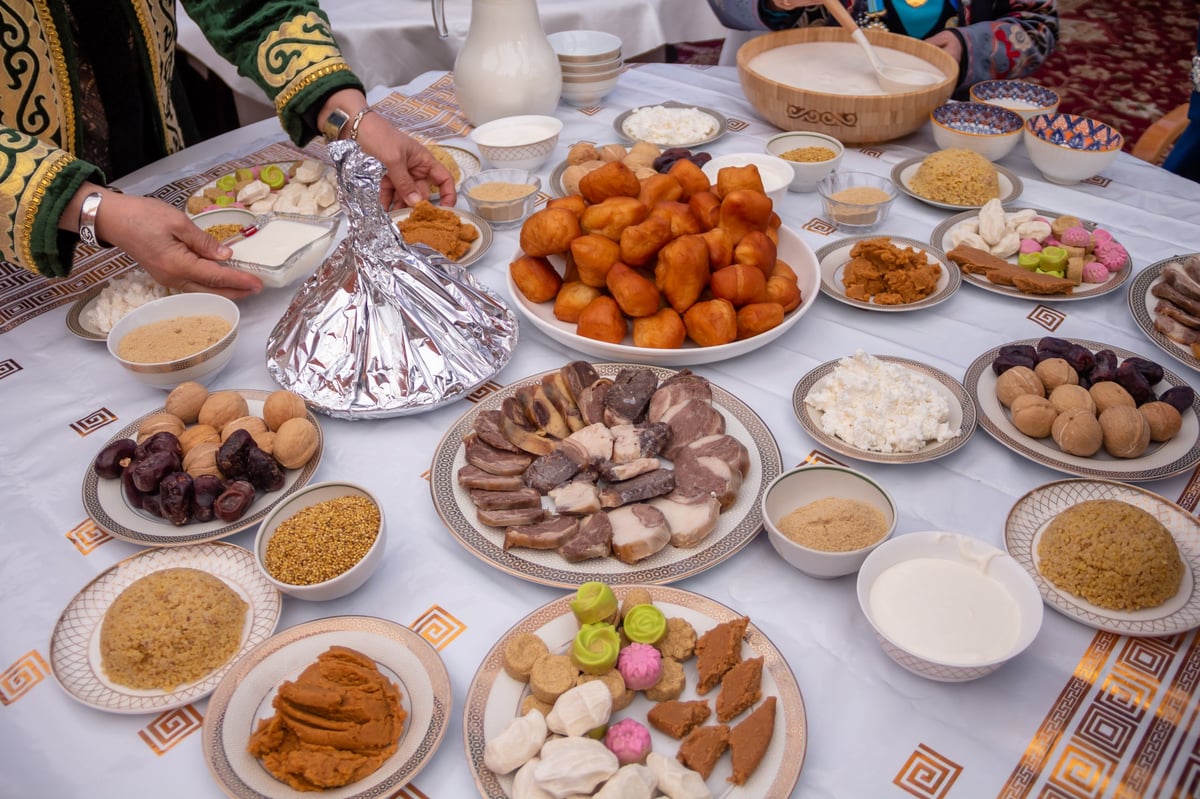
In Somali culture, tea is rarely just a drink. Shaah is an invitation: a reason to pause, to sit down and to make someone feel welcome. It sits at the center of how guests are hosted and how communities stay connected, and it’s a tradition that finds a natural home at Hamdi Coffee in Minneapolis.
Tea as an act of welcome
Offering a guest Shaah is a deeply rooted part of Somali hospitality. It’s a gesture of warmth before conversation even begins, a way of saying that someone has time and space here. In many Somali households, no guest is left without a cup; it’s simply how people are made to feel at home.
That instinct carries enormous meaning. The act of pouring tea says something words alone can’t quite capture: you’re welcome, there’s no rush, and there’s room at this table. It’s hospitality made tangible, one warm cup at a time.
A drink that brings people together
Whether it’s a morning routine, an afternoon visit or a celebration, Shaah is shared. It’s the kind of drink that naturally draws people to sit a little longer and talk a little more. The pot tends to be generous, the cups are passed around, and the conversation follows.
There’s no single ritual that defines Somali tea culture, traditions vary from household to household and region to region. What’s shared across many of them is the spirit: Shaah is a reason to gather, not to rush. It’s slow food and drink in the best sense.
In many Somali households, tea is made to be poured generously and shared without ceremony. A visitor doesn’t need a reason to be given a cup, the welcome itself is the reason. That’s the heart of the tradition we try to reflect at Hamdi.
The spirit of "malab iyo caano"
A phrase closely associated with Somali hospitality is “malab iyo caano”, meaning “milk and honey.” In many Somali households, it evokes warmth, care and generosity. It’s a feeling of welcome: making a guest comfortable, offering something nourishing and sharing what you have.
At Hamdi, “Malab Iyo Caano” is more than a byline. It’s the idea the café is built around. Every cup of Somali Shaah is an attempt to carry that spirit of warmth into a neighborhood gathering place in Minneapolis.
How Somali Shaah is made to be served
Somali Shaah is typically a warm, aromatic spiced tea made with black tea and milk, with a blend of traditional spices. Because recipes vary widely from household to household, no single recipe represents every Somali family. What’s often consistent is how it’s served, warm, on the stronger side, and poured generously into cups set around a table.
Shaah is commonly prepared to be shared. The tea sits at the center of visits, offering a natural pause and a reason to sit together. This is exactly the experience Hamdi aims to create: tea that invites you to stay a while.
Tea culture in Minneapolis
That tradition carries into cafés like Hamdi Coffee, where Somali Shaah is served fresh every day in the heart of Minneapolis. It’s a way to bring a familiar ritual to a new neighborhood, and to share it warmly with anyone who walks in the door, whether Somali Shaah is part of their daily routine or they’re tasting it for the first time.
We have two cafés at Karmel Mall cafés in Minneapolis. It’s a place where the tradition of tea as welcome is available to everyone.
Share the tradition at Hamdi
The best way to experience Somali tea culture is to try it. Visit our Tea & Coffee page to explore Somali Shaah and Qahwo, or shop Hamdi Shaah to bring a taste of the tradition home and pour it for your own guests.